by billhz | Oct 23, 2015 | Samurai and Kimono
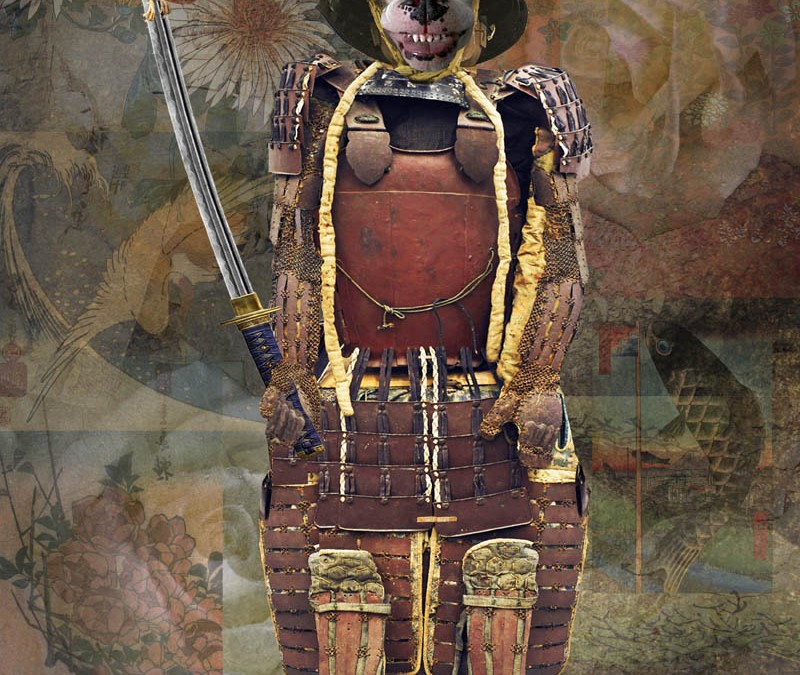
Goofy the Samurai Originally, “samurai” (or bushi) meant “those who serve in close attendance to the nobility.” They were the warriors of premodern Japan and eventually became the highest social caste of the Edo Period (1603-1867). They were expected to live according to the ethic code of “BUSHIDO, the way of the warrior” stressing loyalty to one’s master, self discipline and respectful, ethical behavior. Each samurai’s outfit was unique and distinctly his own. The designs and materials changed as methods of warfare evolved, growing from overlapping leather scales into iron plates and chain mail. The helmet or kabuto was an important part of the samurai’s armor with designs ranging from a simple iron dome to fantastic artistic creations. The sword or katana was said to contain the samurai’s soul which made it the most important weapon he carried. The known last use of samurai armor occurred in 1877 when it was determined that the samurai’s protection was no longer...
by billhz | Oct 23, 2015 | Samurai and Kimono
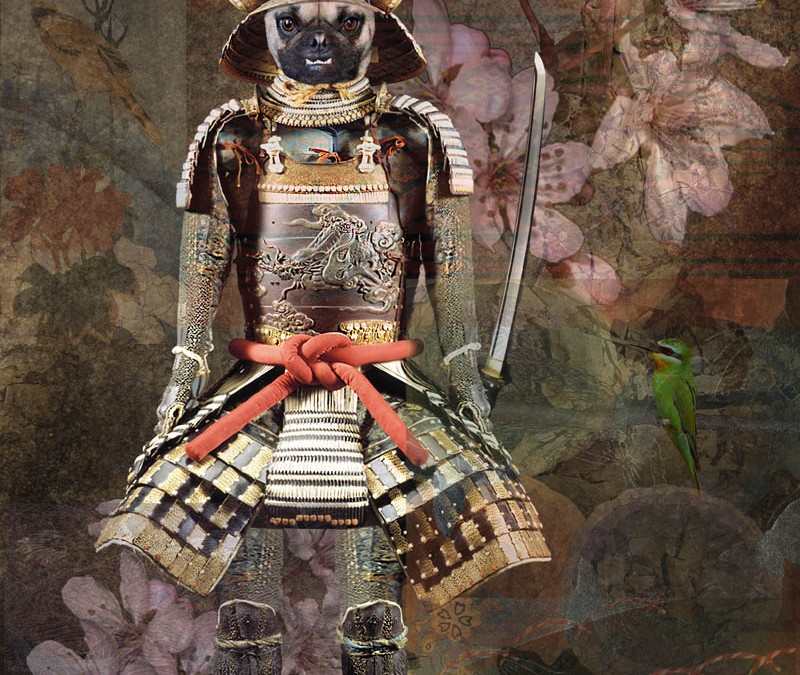
Pug the Samurai Originally, “samurai” (or bushi) meant “those who serve in close attendance to the nobility.” They were the warriors of premodern Japan and eventually became the highest social caste of the Edo Period (1603-1867). They were expected to live according to the ethic code of “BUSHIDO, the way of the warrior” stressing loyalty to one’s master, self discipline and respectful, ethical behavior. Each samurai’s outfit was unique and distinctly his own. The designs and materials changed as methods of warfare evolved, growing from overlapping leather scales into iron plates and chain mail. The helmet or kabuto was an important part of the samurai’s armor with designs ranging from a simple iron dome to fantastic artistic creations. The sword or katana was said to contain the samurai’s soul which made it the most important weapon he carried. The known last use of samurai armor occurred in 1877 when it was determined that the samurai’s protection was no longer...
by billhz | Oct 23, 2015 | Samurai and Kimono
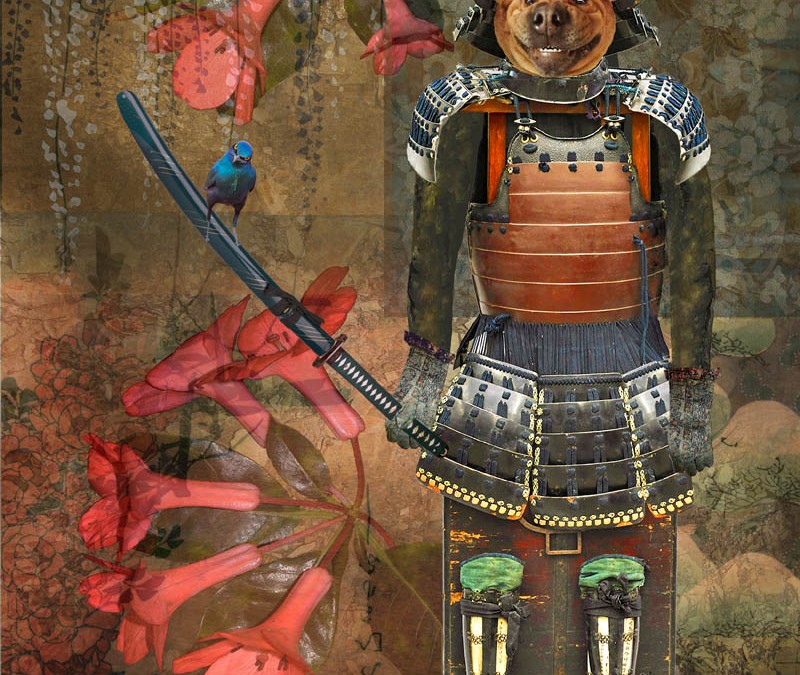
Rosco the Samurai Originally, “samurai” (or bushi) meant “those who serve in close attendance to the nobility.” They were the warriors of premodern Japan and eventually became the highest social caste of the Edo Period (1603-1867). They were expected to live according to the ethic code of “BUSHIDO, the way of the warrior” stressing loyalty to one’s master, self discipline and respectful, ethical behavior. Each samurai’s outfit was unique and distinctly his own. The designs and materials changed as methods of warfare evolved, growing from overlapping leather scales into iron plates and chain mail. The helmet or kabuto was an important part of the samurai’s armor with designs ranging from a simple iron dome to fantastic artistic creations. The sword or katana was said to contain the samurai’s soul which made it the most important weapon he carried. The known last use of samurai armor occurred in 1877 when it was determined that the samurai’s protection was no longer...
by billhz | Oct 23, 2015 | Samurai and Kimono
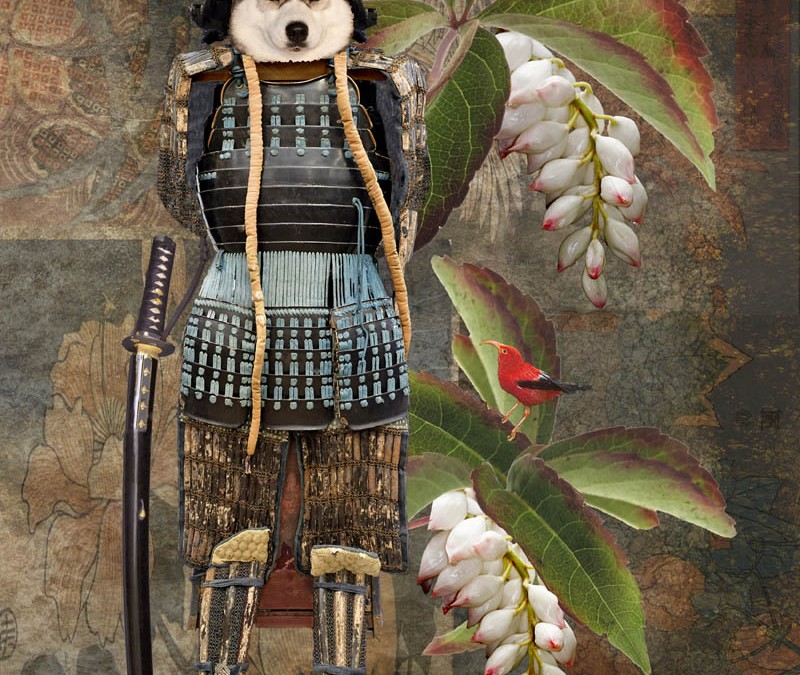
Winston the Samurai Originally, “samurai” (or bushi) meant “those who serve in close attendance to the nobility.” They were the warriors of premodern Japan and eventually became the highest social caste of the Edo Period (1603-1867). They were expected to live according to the ethic code of “BUSHIDO, the way of the warrior” stressing loyalty to one’s master, self discipline and respectful, ethical behavior. Each samurai’s outfit was unique and distinctly his own. The designs and materials changed as methods of warfare evolved, growing from overlapping leather scales into iron plates and chain mail. The helmet or kabuto was an important part of the samurai’s armor with designs ranging from a simple iron dome to fantastic artistic creations. The sword or katana was said to contain the samurai’s soul which made it the most important weapon he carried. The known last use of samurai armor occurred in 1877 when it was determined that the samurai’s protection was no longer...

by billhz | Oct 23, 2015 | Vessels Bouquets
Bronze and Plumeria Ancient bronze Chinese Gui vessel with eight feet and engraved designs. Bowl-shaped Chinese ritual vessel used to hold offerings of food, for ancestral tombs.Age estimate:11-9th century BC. Plumeria and anthuriums. Vessel estimated value...